
 Chinese

Many new off-road vehicle owners want to modify their trucks to look like the cool builds online right after picking up the car. They rush to buy parts and book modification shops, spending 20,000 to 30,000 RMB. Once finished, they find tires rubbing the fenders, chassis vibration, higher fuel consumption, and even fail vehicle inspection.
Off-road modification is not simply stacking cosmetic parts. The core rule is spend money by priority. This article explains the modification sequence, budget allocation and the function of each upgrade in plain language, helping newbies avoid costly mistakes.
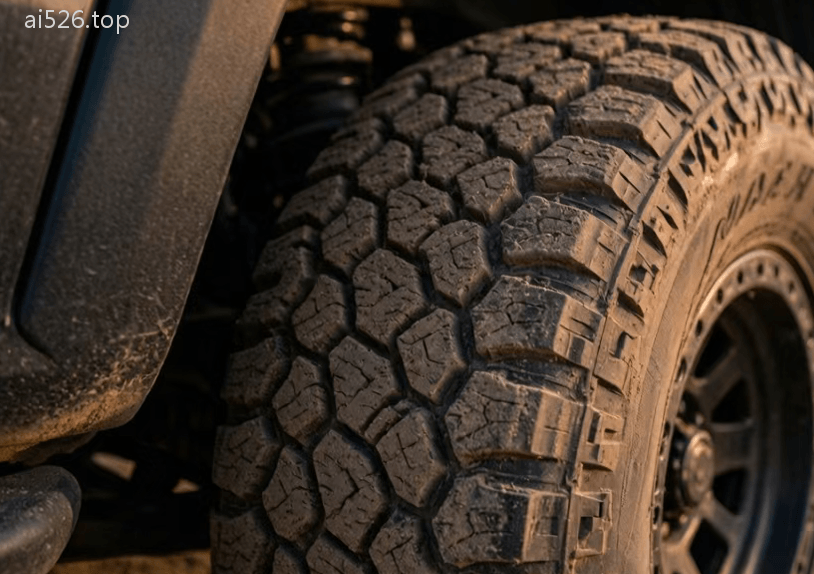
Step 1: Tires — The Foundation of All Modifications
Tires should always be upgraded first.
All performance of an off-road vehicle, including 4WD, power, braking and ground clearance, relies ultimately on the four tires to grip the ground. If tires are wrongly selected, further upgrades will hardly work.
AT all-terrain tires fit most users, balancing 70% highway driving and 30% off-roading with low road noise for daily commute. MT mud tires are built for heavy off-roading and rock crawling, but they create loud noise and consume more fuel on pavement. RT tires sit between AT and MT as a balanced option.
Newbies are recommended to start with AT tires. Do not increase tire size more than 7% over stock. Oversized tires will require recalibration of speedometer, ABS and ESP systems.
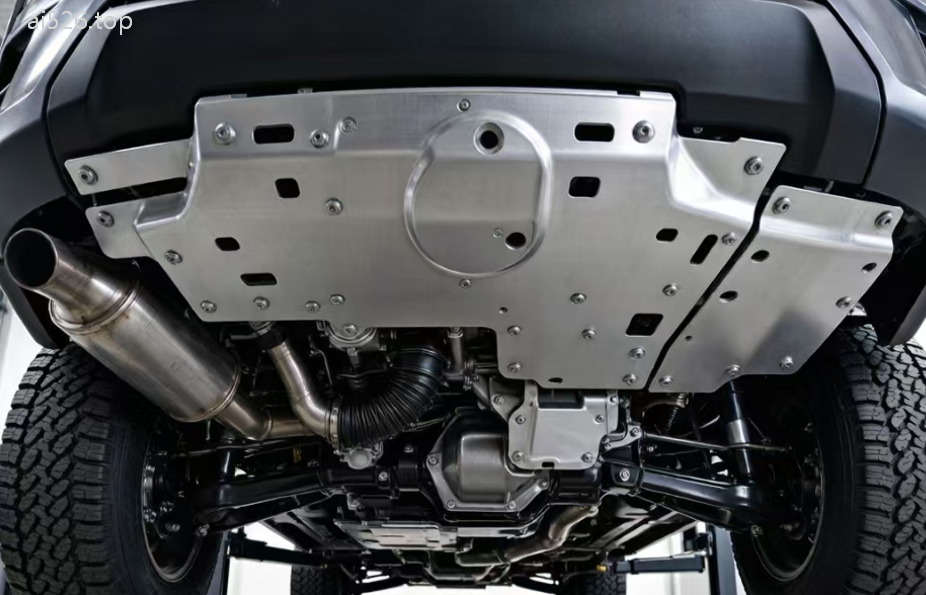
Step 2: Skid Plates — Protect Your Expensive Chassis
The chassis is the most fragile and costly part to repair on an off-road vehicle. Hitting the oil pan may cost thousands of RMB; a cracked transmission housing can cost tens of thousands.
A skid plate set only costs several hundred to two thousand RMB and prevents huge repair bills. It must cover the engine oil pan, transmission housing, transfer case, and fuel tank for vehicles with low-mounted tanks.
3mm manganese steel is the preferred material. Aluminum alloy is lighter but more expensive. Make sure the skid plate does not block cooling vents after installation, or the transmission will overheat.
Simply put: spending 1,500 RMB on skid plates is far cheaper than paying 15,000 RMB for chassis repairs later.
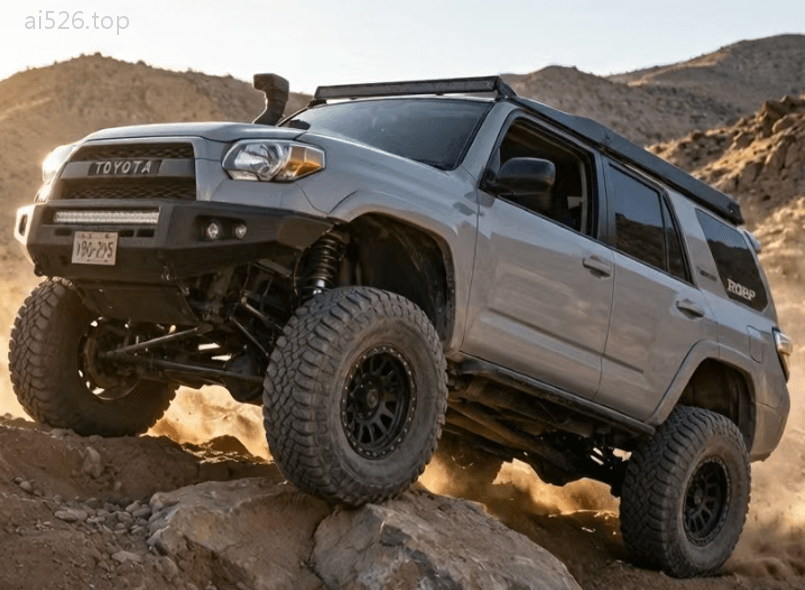
Step 3: Suspension — Boost Ground Clearance
Suspension lift is the most visually obvious modification and also the easiest to mess up. Industry consensus regards 2 inches as the golden lift height.
A 1.5–2 inch lift greatly improves off-road clearance with minimal impact on highway handling. You only need new track bars and wheel alignment.
A 2–3 inch lift delivers much stronger off-road capability, but requires replacement of drive shafts and upper control arms plus chassis geometry correction.
Lifts over 3 inches are for extreme off-roading. They hurt on-road handling, increase fuel consumption and make inspection difficult.
Choose nitrogen shocks instead of cheap oil shocks. Springs must match shocks. Only changing springs without upgrading shocks just raises the look without increasing suspension travel. For beginners, a 1.5-inch lift plus AT tires is enough for most overland routes.
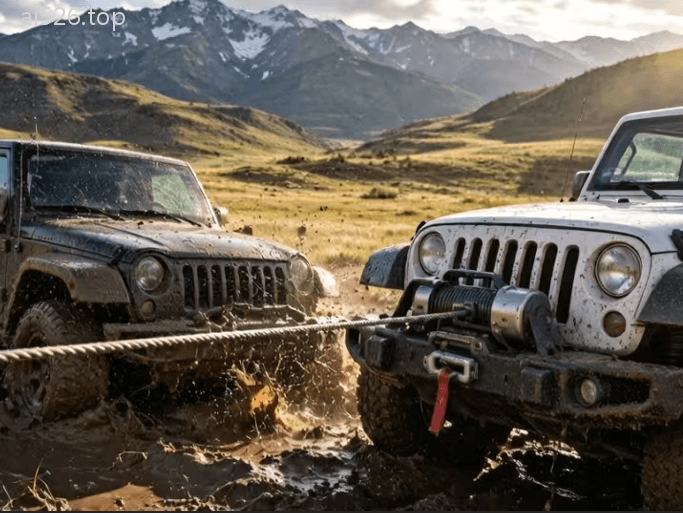
Step 4: Winch — Self-Rescue Gear for Solo Off-Roading
A winch hides behind the front bumper, but it is a life-saving tool once stuck. When selecting a winch, focus on pulling capacity and cable type.
The pulling force should be at least 1.5 times your vehicle weight. Synthetic soft rope is safer and won’t scratch the body, but it is vulnerable to UV sunlight. Steel cable is heavy and durable yet dangerous if snapped.
Winch installation usually requires a new front bumper or dedicated winch cradle. Portable winches are an option for limited budgets.
Important reminder: Learn proper operation after installation. Stand to the side and never step over the cable during recovery.
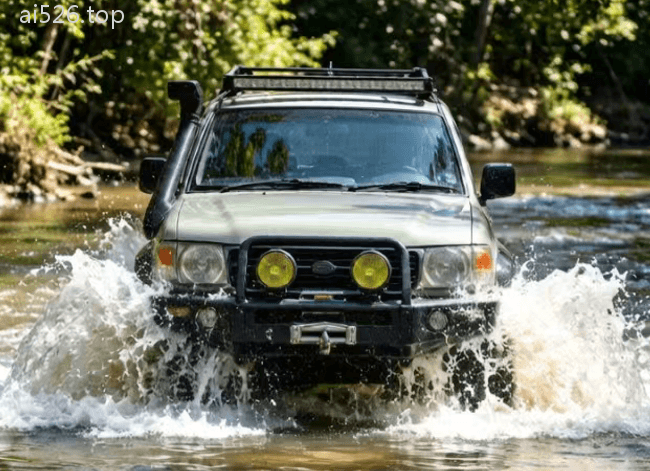
Step 5: Snorkel — Protection for Water Crossing
Many people think snorkels are purely cosmetic. In fact, they protect the engine air intake. Stock air intake sits low. Once water rises above tire centerline, the engine risks water ingestion and permanent damage.
A snorkel raises the air intake to A-pillar or roof height. It draws cleaner, higher air during water crossings and reduces filter clogging in dusty terrain.
The downside: installing a snorkel requires cutting the fender, which is irreversible. You can skip this part if you rarely cross deep water.
Step 6: Lights & Roof Racks — Add Only When Needed, Not Just for Looks
Auxiliary lights and roof racks are scene-based accessories, do not install them just for appearance.
Spotlights work for night off-roading; keep color temperature within legal limits to pass inspection. Roof racks are for long-distance trips, follow load limits strictly and avoid overloading.
If you mostly drive on paved roads, skip these two items. Put your budget into core upgrades such as tires and chassis protection first.
Budget Allocation Reference (For 200,000–300,000 RMB Off-Road Vehicles)
Prioritize budget for essential parts: tires, skid plates and suspension. Winches are secondary recommended items. Snorkels, spotlights and roof racks come last. Spend your budget on functional upgrades that truly protect and improve the vehicle, not cosmetic parts only for photos.
Common Mistakes New Off-Road Modders Make
1. Modify appearance before chassis: Only upgrade front fascia or roof rack while ignoring tires and underbody protection. This easily causes trouble. Always upgrade chassis and tires first.
2. Buy cheap shock absorbers: Low-cost oil shocks leak quickly. Nitrogen shocks cost more for good reason.
3. Lift without correcting chassis geometry: Skipping track bar replacement and alignment after lift leads to highway vibration and safety hazards.
4. Ignore local regulations: Check inspection rules before modification. Restrictions apply to tire size, light color temperature and exterior changes.
Final Words
The core principle of off-road modification: Spend money on functional parts you will use, not parts only visible for photos.
Whether for long-distance overlanding or short trail trips, a set of reliable tires, skid plates and matched suspension is your most trustworthy companion off-road.
Safety Warning: Off-roading carries risks. Travel in groups and stay within your limits. Have modifications installed by qualified professional shops.