
 Chinese

Before Your Off-Road Build: What Information to Send to Your Supplier
Selecting off-road modification parts purely by guesswork can easily lead to fitment failure. Even vehicles that look identical from the outside may have different chassis structures, bumper mounting points, brake caliper layouts, suspension mounting positions and sensor arrangements, caused by differences in model year, trim level and regional market version.
Use this simple preparation formula to speed up communication with your supplier:
Vehicle nameplate + vehicle registration document + tire and basic chassis data + original component and installation location photos + existing modification status + your build goals = more accurate fitment judgment, clearer quotation and faster technical support.
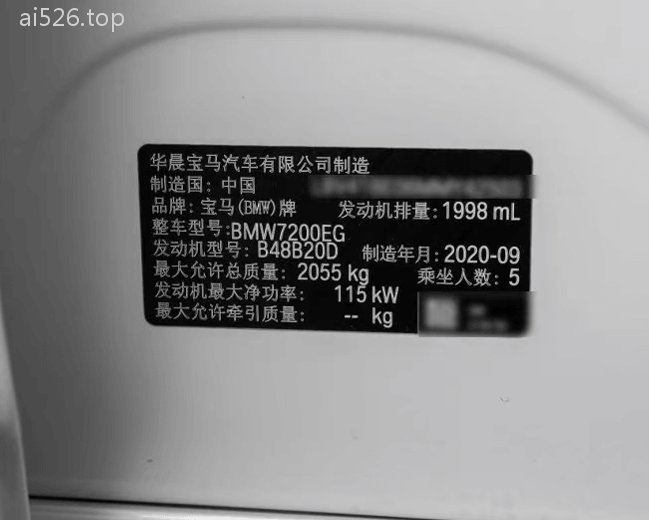
1. Vehicle Nameplate: One Clear Photo Saves a Lot of Back-and-Forth Communication
The vehicle nameplate is commonly located on the B-pillar of the passenger-side door frame, inside the engine compartment or near the door frame area. It records key data including the VIN, complete vehicle model, engine specification, production date, curb weight and gross vehicle weight.
You may mask sensitive information such as the full VIN number, but it is recommended to keep the complete vehicle model, production date and powertrain information visible. These details help suppliers quickly identify the exact version of your off-road vehicle, instead of judging only from the appearance.
2. Vehicle Registration Document: Confirm Year and Configuration Details
The main page of the vehicle registration certificate includes the vehicle model, registration date and vehicle category. This supplementary information can help confirm whether your vehicle falls into the compatible range of bumpers, lift kits, fender flares, roof racks and other aftermarket off-road accessories.
Please cover your personal ID number, residential address and other private information, only retaining content related to parts compatibility.
3. Tire, Wheel and Basic Chassis Specifications
Take a sharp photo of the tire sidewall to capture the full tire size marking, for example 265/70 R17. This information tells the supplier your current tire diameter and width, which is very important when evaluating bumper clearance, suspension lift space and fender fitment.
You can also provide the current wheel size, bolt pattern, center bore and offset if you have upgraded your wheels before. If your vehicle has already been lifted, state the lift height and the type of suspension modification installed.
4. Photos of Original Parts and Installation Positions: Check Clearance and Interference Risk
A few practical photos are far more valuable than long verbal descriptions. It is recommended to take:
- A full side view of the whole vehicle to show the body proportions and current modification state;
- Close-up shots of the front and rear bumpers, including mounting brackets, sensor holes and fog lamp positions;
- Photos of the wheel arch, suspension area, chassis underbody and spare wheel mounting location;
- Clear images showing the distance between existing components to judge whether new parts will rub or interfere.
These photos allow the supplier to visually check potential clearance issues before production and delivery.
5. Tell the Supplier About All Existing Modifications
Do not hide any previous changes to the vehicle. Commonly reported items include suspension lift, upgraded brake calipers, installed fender flares, replaced bumpers, added wheel spacers, roof rack installation and changed spare wheel configuration.
All these changes will affect the fitment of new parts. For example, a lift kit may change the body height, and larger brake calipers may prevent some standard bumper designs from fitting properly. Hiding modification information is one of the most common reasons for post-delivery fitment problems.
6. Clearly State Your Build Goals and Requirements
Different off-road driving scenes require different part combinations. Tell the supplier whether you mainly drive on highways, rocky trails, mud roads or sand, and whether you prioritize appearance, load capacity, off-road protection or long-distance touring.
You can also specify your preferred style, expected budget, delivery time and any custom requirements. The more specific your goals are, the more targeted the supplier’s solution will be.
7. Confirm Your Delivery Address and Trade Requirements
For cross-border orders, it is necessary to provide the correct destination address, country, required shipping method and trade term. This helps the supplier calculate freight and customs-related information accurately, and avoids unnecessary disputes caused by unclear delivery rules.
Good preparation is the first step of a satisfying off-road modification. Collect the above materials before contacting the supplier, and you will get a more reliable quotation and a more suitable modification plan. We provide customized off-road accessories and complete modification solutions for off-road clubs, small business buyers and private enthusiasts.
Technical support and 24-hour after-sales service are available for every order.