
 Chinese

Introduction
Many new off‑road owners mistakenly believe that a suspension lift is nothing more than swapping four shock absorbers and four coil springs. After installation, they encounter steering pull, irregular tire wear, unstable handling at highway speeds, and poor cornering performance. These problems appear because critical linked components have not been upgraded.
A suspension lift changes the entire suspension geometry of your vehicle. Once the ride height is raised, axle position, caster, camber, driveshaft and CV joint working angles all shift. If you ignore these changes, your lifted 4×4 will suffer accelerated component failure. This guide breaks down every often‑overlooked part required for a safe, reliable two‑inch lift.
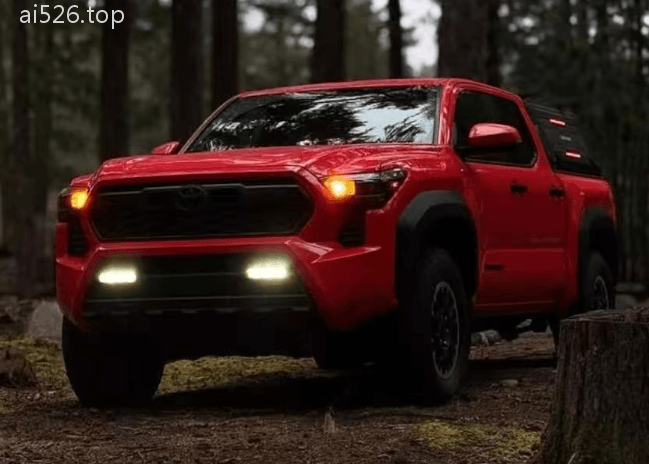
How Lifting Changes Suspension Geometry
When you lift the body and chassis, the whole axle assembly shifts, triggering three major side effects.
- Rear Axle Lateral Offset After lifting, the solid rear axle drifts sideways. This misalignment creates constant steering pull and uneven tread wear across your tires.
- Modified Front Suspension Angles Caster, camber and kingpin inclination shift away from factory specifications. This directly changes steering feel, reduces high‑speed stability and creates rapid inner or outer tire wear.
- Increased Driveshaft and CV Joint Angles Excessive working angles put constant stress on axles, CV boots and universal joints, shortening service life dramatically.
Lifting is a system modification. Upgrading shocks alone cannot resolve these geometry problems.
Three Critical Overlooked Components
These three assemblies represent the core “hidden cost” of a proper lift build.
- Panhard Rod / Track Bar The panhard rod locates the rear axle laterally. After lifting, the factory track bar is no longer the correct length. An adjustable heavy‑duty panhard rod re‑centers the rear axle, eliminating pull and uneven tire abrasion.
- Upper Control Arms Front lift changes the control arm geometry. Reinforced, corrected upper control arms restore factory alignment specifications, prevent tire scrubbing, and preserve safe, predictable steering response.
- Correct Spring Rate Selection If you add a front bumper, winch, roof rack or auxiliary fuel tank, the additional front and rear weight must be matched with heavy‑rate coil springs. Even premium shocks will sag and bounce if paired with springs that are too soft for your loaded vehicle weight.
Many builders only budget for shocks, skipping these three parts, which creates an unsafe lift setup.
What Lift Height Works Best
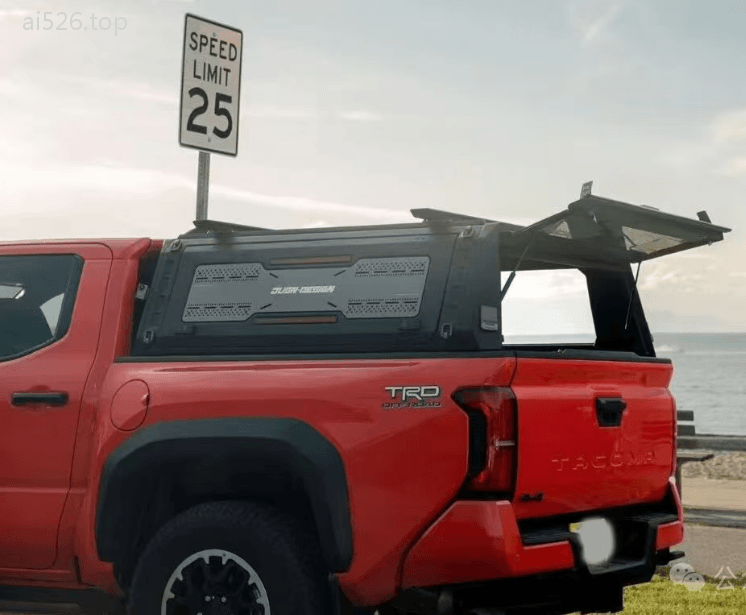
For most recreational off‑road drivers, a 2‑inch lift is the sweet spot.
- Clearly improved ground clearance and obstacle capability
- Manageable change to axle, CV and suspension geometry
- Mature, widely available aftermarket parts supply
Lifts of 3 inches or greater demand far more extensive modification, higher expense, and are intended mostly for dedicated rock crawling and competition vehicles.
Shock Selection for a Safe Lift
Shock absorbers form the foundation of any suspension upgrade. Adjustable nitrogen shocks are strongly recommended for most builds, paired together with all required correction parts. Adjustable nitrogen shocks support both daily street driving and off‑road use, carry heavy static loads, and maintain consistent damping over long trail runs.
Estimated Budget Reference
All pricing below is for reference only, covering parts cost before labor.
| Component | Budget Range |
|---|---|
| 2‑inch shock and spring set | 550 –1,300 |
| Adjustable panhard rod / track bar | 140 –320 |
| Corrected upper control arms (pair) | 300 –750 |
| Heavy‑rate coil springs (if loaded) | 280 –600 |
| Professional alignment service | 80 –180 |
Total complete build budget for a properly engineered two‑inch lift typically falls between \(1,350 and\) 3,150, depending on material grade and vehicle model.
Conclusion
The real expense of lifting is not only the price of shock absorbers. The full cost includes every component required to restore correct suspension geometry. If you fit all correction parts, lifting becomes a valuable upgrade. If critical correction pieces are omitted, the modification will steadily damage your 4×4.