
 Chinese

Introduction
One of the first questions for every new off‑road enthusiast is simple: how much money does it cost to build a capable 4×4? This planning guide provides a practical breakdown of modification priorities and budget tiers, suitable for most popular off‑road platforms.
Three Build Tiers by Intensity
Your full build plan depends entirely on how you intend to use the vehicle.
- Light‑Duty Build Main use: daily commuting, occasional trail runs. Goals are improved appearance, comfort and mild extra clearance. This build type keeps modification scope minimal.
- Medium‑Duty Build Main use: regular overland trips, moderate off‑road trails. Priorities are suspension support, ground clearance and reliable protection.
- Heavy‑Duty Build Main use: remote expeditions, desert driving, continuous rough trail use. The build targets maximum strength, impact resistance and long‑term reliability.
Defining your usage goal before buying parts prevents unnecessary spending.
Priority One: Suspension & Shocks
Suspension forms the foundation of every off‑road build. If your suspension cannot support load and absorb rough terrain, every other accessory loses value. Adjustable nitrogen shocks are the preferred selection for most owners, offering multi‑way adjustability, high load capacity and stable damping on long trips. This category represents the largest single portion of your modification budget.
Bumpers: Protection + Function
Front and rear bumpers serve dual purposes: physical protection and functional expansion.
- Front Bumper: Heavy‑duty steel bumper with space for winch and radar sensor cutouts.
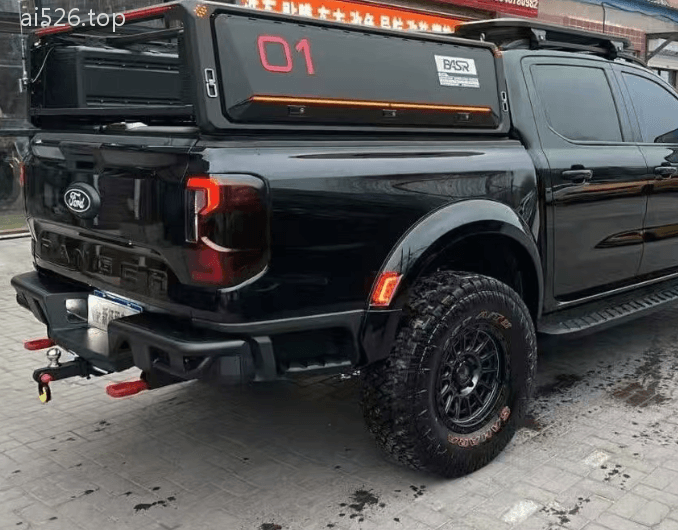
- Rear Bumper: Integrated rear bumper with spare tire carrier or reinforced tailgate support.
Budget flexibility is wide. Builders on tighter budgets select basic protective bumpers, while fully equipped versions can add auxiliary lighting, winch mounts and recovery points.
Wheels & Tires
Tire and wheel selection should match lift height and driving style. After a typical two‑inch lift, owners can upgrade to larger all‑terrain tires. Reinforced sidewall tires resist punctures from rock and gravel. Wheel strength must match gross vehicle weight and trail impact loads. Tires are consumable items; you do not always need the most expensive model to meet your requirements.
Skid Plates & Underbody Guards
Skid plates protect the engine, oil pan, transmission and transfer case. Once you begin leaving paved roads, underbody shielding becomes a sensible investment to avoid catastrophic damage from rocks and stumps. Multiple material grades are available, including manganese steel and aluminum‑magnesium alloy.
Recommended Modification Sequence
The optimal upgrade sequence for an off‑road build:
- Suspension / shock system
- Front and rear protective bumpers
- Wheels and all‑terrain tires
- Skid plates and other supporting accessories
Full Build Budget Breakdown
All figures below are estimated parts cost before installation labor.
| Modification Category | Light Build | Medium Build | Heavy Build |
|---|---|---|---|
| Suspension & Shocks | 600 –1,200 | 1,200 –2,400 | 2,400 –4,500 |
| Front + Rear Bumpers | 700 –1,400 | 1,400 –2,600 | 2,600 –4,800 |
| Wheels + Tires (set of 5) | 800 –1,500 | 1,500 –2,800 | 2,800 –4,200 |
| Skid Plates | 250 –500 | 500 –950 | 950 –1,700 |
| Alignment & Fitment | 100 –200 | 200 –350 | 350 –600 |
| Total Estimated | 2,450 –4,800 | 4,800 –9,100 | 9,100 –15,800 |
Conclusion
The biggest mistake in off‑road modification is misallocating your budget. Invest the largest share of your funds into the suspension system first. Bumpers, tires and protective accessories can then be added gradually. Following this strategy will help you build a reliable, capable off‑road vehicle without wasting money.