
 Chinese

Modification Guide
Many Tank 300 owners spend their first modification budget on suspension lift, only to meet many drawbacks after installation: increased fuel consumption, louder tire noise, and inconvenience when passengers get in and out of the vehicle. The core reason is that most car owners do not clarify their usage scenarios before upgrading. This modification guide helps you judge whether you belong to the daily commuter group or the off-road overland group before spending money, so you can decide whether to lift the vehicle and choose the correct modification plan.
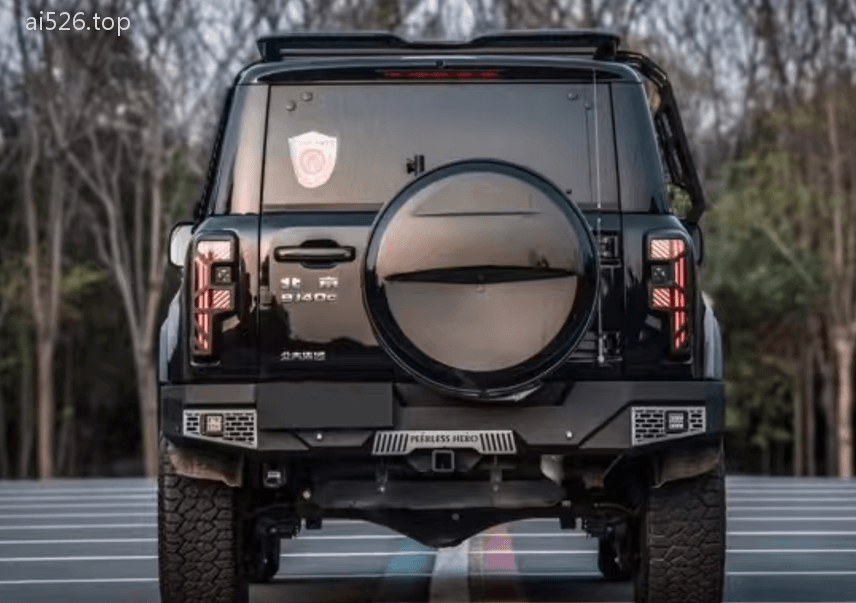
Judge your usage type
Daily Commuter
You spend 90% of driving time on urban roads and highways, and only go out for outdoor activities on weekends. Your priority is good appearance and stable daily driving experience without too much trouble.
Overland / Cross-Country Enthusiast
You often drive on gobi desert, sand and unpaved roads. You focus on vehicle passing ability, suspension support and driving stability under harsh terrain.
The modification directions for these two groups are almost opposite. Mixed and blind modification will waste your budget and bring bad driving experience.
Modification advice for daily commuter players
If your vehicle mostly runs on paved roads, suspension lift will bring obvious side effects:
1.Higher fuel consumption: lift plus large off-road tires will increase wind resistance and unsprung weight, fuel consumption usually rises by 1~2 L per 100 km.
2.Increased tire noise: AT tires produce obvious humming noise on asphalt pavement, and the noise will become more prominent at high speed.
3.Worse riding comfort: many lifted shock absorbers are stiff, and the vehicle will bump heavily when passing speed bumps.
Advice for commuter owners: If you just love the higher stance look, you can choose lift but do not blindly pursue long travel or oversized tires. Pick adjustable shock absorbers that can be set soft, comfort performance is more important than extreme off-road capability.
Modification advice for overland cross-country players
For drivers who often go off-road, suspension lift brings practical advantages:
1.Larger approach, departure and breakover angles, no more scratching the front bumper when crossing slopes and obstacles.
2.Higher ground clearance, enough space to fit larger off-road tires.
3.Better suspension support, stable body performance under continuous bumpy road conditions.
One key rule: vehicle lift is not simply replacing four shock absorbers and springs. There are related parts you must upgrade together.
Must-do supporting modifications after lift
1.Panhard rod: After lifting, the rear axle will shift laterally. You need a panhard rod specially designed for lifted vehicles, otherwise the vehicle will pull to one side and tires will wear unevenly.
2.Upper control arms: After front suspension lift, the camber and caster angles change. Without upgraded control arms, you will get wrong wheel alignment and tire wear issues.
3.Spring rate selection: Choose springs according to your extra load such as front bumper, winch, roof rack and auxiliary fuel tank. Heavy load cannot rely on original factory springs.
If these three parts are not upgraded, your lift modification becomes “fake lift”. The driving experience will get worse and your vehicle may get damaged.
How to pick suitable shock absorbers
Adjustable nitrogen shock absorbers are recommended for both groups. The adjustability can satisfy different driving demands:
- Commuter users: set damping soft for comfortable city driving
- Off-road users: set damping hard to keep stable on rough roads
Three popular options for reference:
1.Adjustable nitrogen shock absorbers with large pipe diameter, excellent heavy load performance for long-distance overland travel
2.Heavy-duty shock absorbers with strong support, great choice for fully loaded off-road driving
3.Shock absorbers with simple adjustment operation, friendly for new owners and daily commuting
Summary: When selecting shock absorbers, confirm adjustable damping first, then confirm the spring rate matches your actual vehicle load.
Final conclusion
There is no one-size-fits-all modification plan. Confirm whether you are a commuter or overland player before deciding the lift height and shock setup. Do not copy other people’s modification list blindly, to avoid regret after the upgrade.