
 Chinese

Can Stock 4×4 Vehicles Go Off-Road? 3 Critical Modifications for Comfortable Off-Road Experience
Many off-road enthusiasts wonder: if I already own a factory-built hard-core off-road vehicle, is it still necessary to make aftermarket upgrades?
The answer is twofold. Stock vehicles can handle basic off-road trails, but there is a huge gap between “being able to drive off-road” and “enjoyable off-roading”. This modification guide explains the differences and introduces three core upgrades to greatly improve your off-road performance.
Stock Off-Road Vehicles Have Limitations
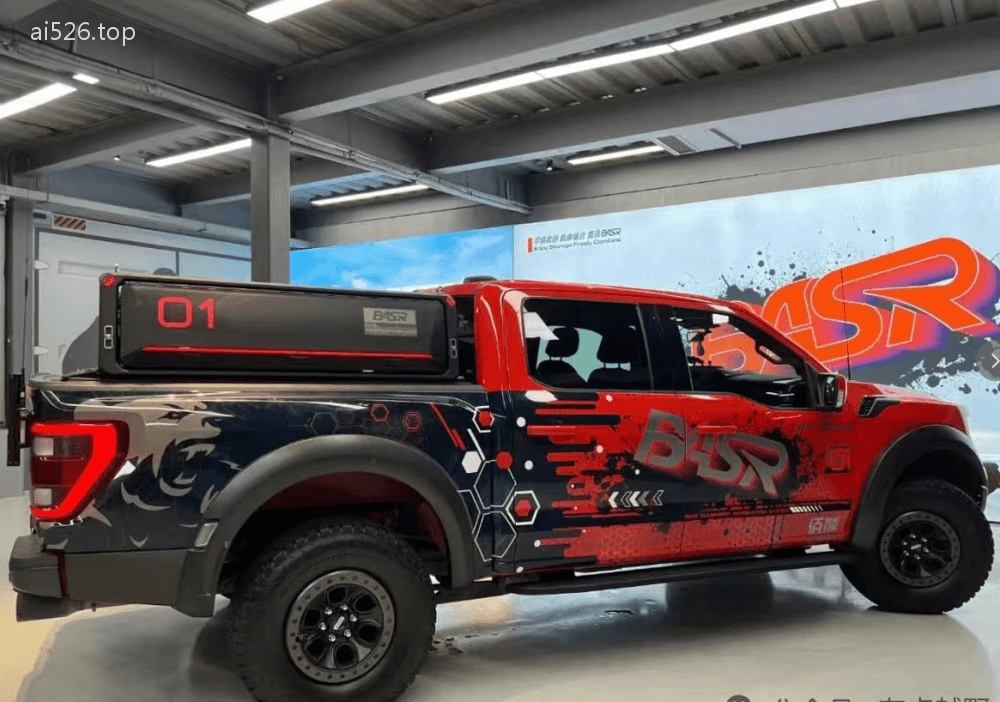
Factory stock 4x4s perform well on paved roads and light off-road tracks. However, under heavy load, continuous bumpy trails and intensive cross-country driving, the weaknesses of original factory parts will show up:
- Insufficient shock support, loose vehicle body and poor driving posture;
- Weak protection of stock bumpers. Collisions with rocks will lead to expensive repairs;
- Limited traction of factory tires, easy to slip and get stuck in mud, sand and gravel terrain.
In short, stock vehicles can pass the trail, but the ride is tough and risky on harsh off-road routes.
Upgrade 1: Shock Absorbers — Decide Whether Your Rig Stays Stable
Shock absorbers are the most critical component for off-road builds. Factory shocks are calibrated for city driving plus light off-roading. Under heavy load and long continuous bumps, they lack enough support and will suffer from heat fade.
After installing adjustable nitrogen shock absorbers, the vehicle body stays stable and maintains a good posture over rough terrain, turning a rough shaky ride into smooth and controllable driving experience.
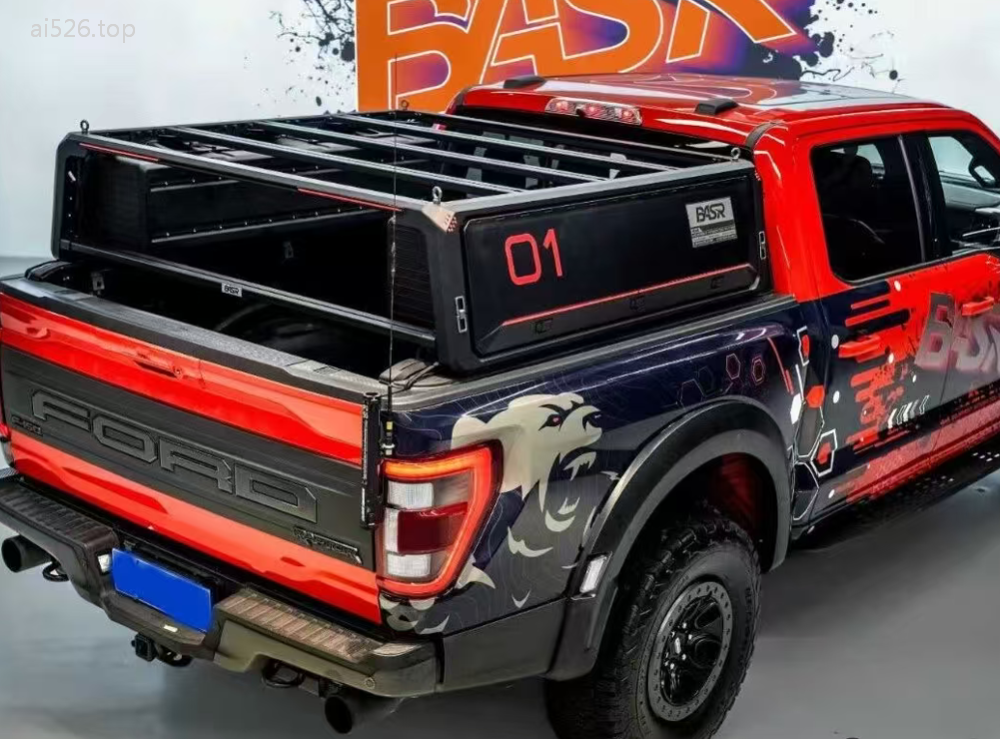
Upgrade 2: Front & Rear Aftermarket Bumpers — Improve Impact Resistance
Most factory bumpers are made of plastic, which can be easily damaged by rocks and branches during overlanding trips. Heavy-duty manganese steel competitive front bumper and reinforced rear bumper are popular protective upgrades:
- The front bumper absorbs impact, protects headlights and grille, and supports winch installation;
- Reinforced rear bumper bears spare tire weight and protects the tailgate.
With this upgrade, drivers no longer worry about scratching or damaging the vehicle body on trails.
Upgrade 3: All-Terrain Tires — Determine Traction Performance
Tires are the only contact point between your vehicle and the ground. No matter how good your chassis is, poor traction will ruin your off-road trip. Heavy-duty AT (All-Terrain) tires bring these benefits:
- Greatly improved grip on mud, sand and rocky roads;
- Reinforced sidewalls reduce the risk of punctures and cuts from sharp stones.
Tire upgrades deliver immediate and obvious improvements, making it one of the first choices for off-road beginners.
Combine These Three Upgrades to Enjoy Off-Roading
Stable shock absorbers, protective bumpers and high-grip AT tires work as a complete set. After finishing these modifications, you can confidently tackle steep slopes and rough tracks that you previously avoided. You will no longer worry about body damage during overlanding. This is the core difference between “can drive off-road” and “have fun off-roading”.
Factory off-road vehicles have solid foundations, yet OEM design must balance daily driving, fuel consumption and manufacturing costs. If you want a better cross-country experience, prioritize suspension, bumper and tire upgrades.